
Published May 31, 2024
The Ultimate Guide to Buying a New Construction Home

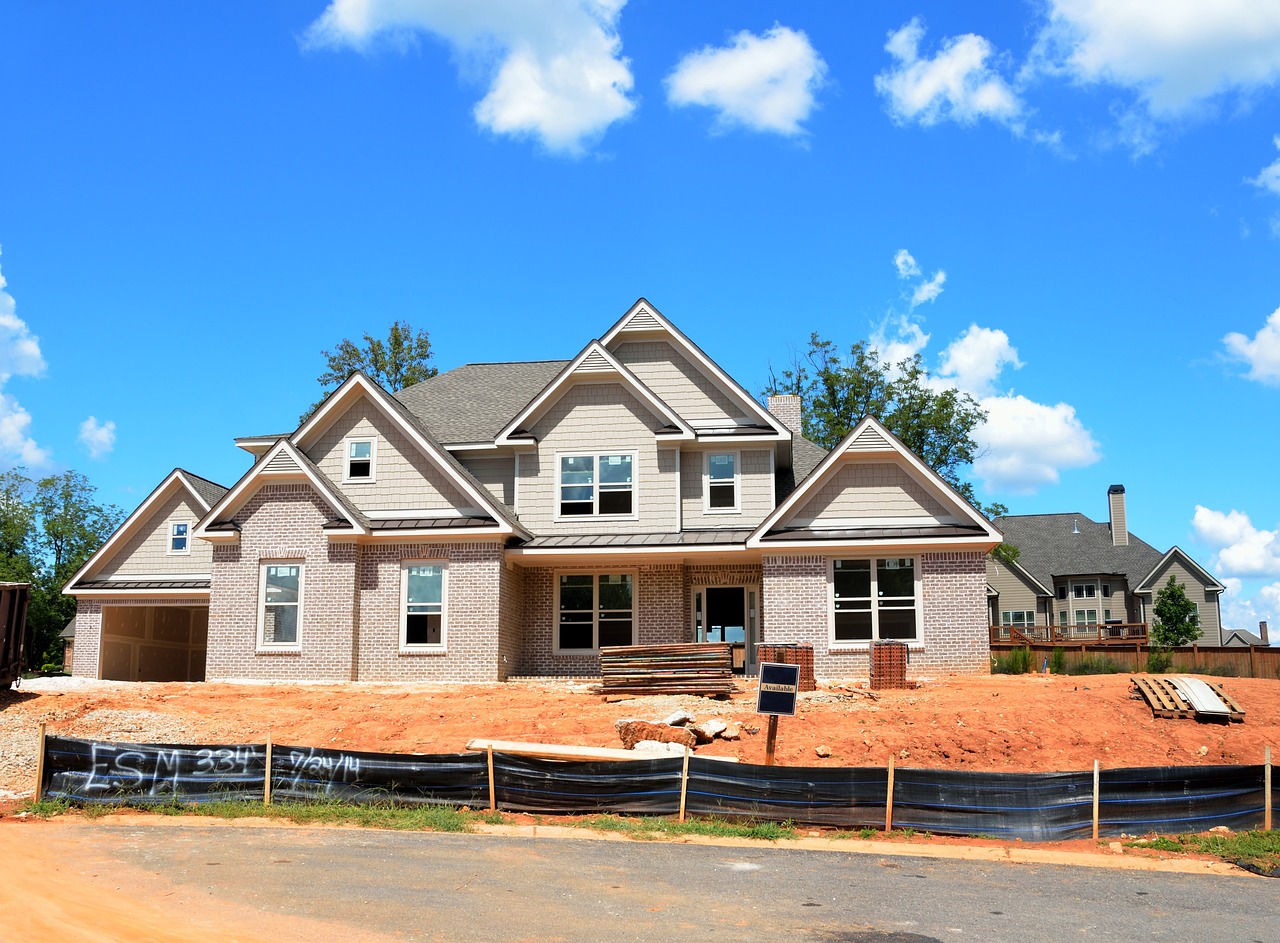
Buying a new construction home is an exciting journey, offering the chance to live in a brand-new space customized to your tastes and needs. However, this process comes with its own set of unique considerations and steps. Whether you're a first-time homebuyer or looking to upgrade, understanding the ins and outs of purchasing a new construction home can help you make informed decisions and ensure a smooth transition into your dream house.
1. Understanding New Construction Homes
New Construction Home: A new construction home is a property that is newly built and has never been lived in. These homes can be part of a large development or a custom-built property.
Types of New Construction Homes:
- Spec Homes: Also known as inventory homes, these are built by builders without a specific buyer in mind and are often move-in ready.
- Semi-Custom Homes: These homes allow you to select from a builder’s pre-designed floor plans and make limited customizations, such as choosing finishes and fixtures.
- Custom Homes: Fully tailored to your specifications, these homes are designed and built from scratch on your own lot.
2. Benefits of Buying a New Construction Home
Modern Amenities and Design: New homes come with the latest architectural designs, energy-efficient features, and modern amenities that cater to contemporary living standards.
Customization: Depending on the type of new construction home you choose, you can often customize various elements, from floor plans to finishes, to suit your preferences.
Warranty Protection: Many new construction homes come with warranties that cover certain aspects of the home for a period of time, offering peace of mind.
Energy Efficiency: New homes are typically built to higher energy efficiency standards, which can result in lower utility bills and a smaller environmental footprint.
Low Maintenance: Since everything in a new home is brand new, you can expect fewer repairs and less maintenance compared to an older home.
3. Steps to Buying a New Construction Home
Step 1: Research and Planning
Determine Your Budget: Understanding your financial capacity is crucial. Get pre-approved for a mortgage to know how much you can afford.
Choose the Right Builder: Research builders in your desired area. Look for reviews, check their portfolios, and visit model homes if possible.
Select the Community: The location of your new home is vital. Consider proximity to work, schools, amenities, and future developments in the area.
Step 2: Finding the Right Home
Model Home Tours: Visiting model homes can give you a sense of the builder’s craftsmanship and the potential layout of your future home.
Customization Options: If you’re buying a semi-custom or custom home, discuss the customization options with the builder. Understand what changes you can make and any associated costs.
Lot Selection: The location of your lot within the development can affect your home’s value and lifestyle. Consider factors like lot size, orientation, and proximity to community features.
Step 3: Negotiation and Contracts
Understand the Contract: A new construction contract is different from a resale home contract. Review the terms carefully, including timelines, warranties, and what happens if there are construction delays.
Hire a Real Estate Agent: Even when buying a new construction home, having a real estate agent can be beneficial. They can help you negotiate terms and understand the builder’s contract.
Negotiate Upgrades and Incentives: Builders may offer incentives or allow you to negotiate for upgrades. Don’t hesitate to ask for things like free appliances, upgraded finishes, or assistance with closing costs.
Step 4: Financing Your New Home
Mortgage Options: Explore different mortgage options and choose the one that best suits your financial situation. Some builders have preferred lenders who might offer special deals.
Down Payment: Ensure you have the necessary funds for your down payment. This can vary based on the type of loan and the builder’s requirements.
Closing Costs: Be prepared for closing costs, which can include fees for appraisals, inspections, and title insurance. These can range from 2% to 5% of the home’s purchase price.
Step 5: Building Process
Pre-Construction Meeting: Before construction begins, meet with the builder to review plans, timelines, and any customizations you’ve requested.
Site Visits: Regularly visit the construction site to monitor progress and address any concerns. This can help ensure the build is on track and meets your expectations.
Inspections: Even though it’s a new build, having independent inspections at different stages can catch potential issues early.
4. Closing and Moving In
Final Walkthrough: Before closing, conduct a final walkthrough with the builder to ensure all agreed-upon work is completed to your satisfaction.
Closing Day: This is when you’ll sign the final paperwork and officially become the owner of your new home. Make sure to review all documents carefully.
Move-In Day: Once you have the keys, you can begin moving into your new home. Plan your move-in day and coordinate with moving services if needed.
5. Post-Move Considerations
Warranty Follow-Up: Keep track of your home’s warranties and address any issues that arise within the warranty period with the builder.
Home Maintenance: Establish a regular maintenance routine to keep your home in top condition. This includes seasonal tasks like HVAC servicing, gutter cleaning, and checking for leaks.
Community Involvement: Get to know your new neighborhood and community. Participate in local events and engage with your neighbors to establish a sense of belonging.
Buying a new construction home is a rewarding experience that allows you to create a space tailored to your preferences and lifestyle. By understanding the process, doing thorough research, and making informed decisions, you can ensure that your journey to homeownership is as smooth and enjoyable as possible. Happy home hunting!


