
Published May 24, 2023
The Bane of New Homeowners: Conquering the Junk Mail Invasion

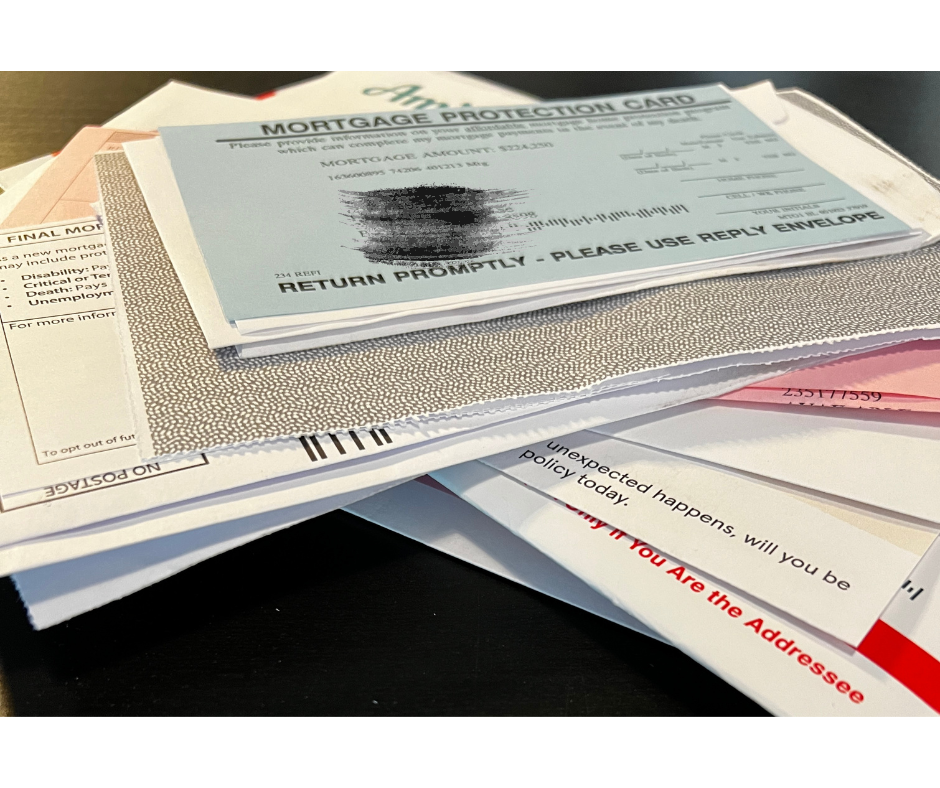
Buying a new home is an exciting milestone in life, but it also comes with its fair share of potential risks, often right in your new mailbox. There's an annoyance that often plagues new homeowners: junk mail. Unwanted flyers, promotional offers, and unsolicited catalogs can quickly overwhelm your mailbox.
Scammers often target new homeowners who may be unfamiliar with the common scams in the housing industry. To protect yourself and your investment, it's crucial to be aware of these scams and take proactive measures. Carefully read the very fine print on both envelopes and letters as scams often carry a disclaimer that the mail is not representing a lender or government agency - this helps keep the sender out of USPS "mail jail," but is obscure enough that many recipients don't see it.
"These types of scams are becoming more prevalent and the formatting and verbiage used always looks very official," says Kristine Roody, Transaction Coordinator with KBT Realty Group. "This type of mail is really just an attempt to take advantage of people who don't work in real estate every day like we do. Your total costs at settlement include prorated taxes, title insurance, recording fees and home insurance. If mortgage insurance was part of your loan, that was also collected at closing. You can find each of those items on your closing statement/closing disclosure and there should not be additional payments needed after closing. Many of the items scammers are asking you to pay for can be easily pulled by your transaction coordinator or agent free of charge."
Is it Junk or a Scam?
Junk USPS mail and scams in your mailbox can be similar in that they both refer to unwanted or unsolicited mail delivered by the United States Postal Service (USPS). However, there are some key differences between the two:Content: Junk USPS mail typically consists of promotional materials, advertisements, catalogs, or unsolicited offers from businesses. While it may be unwanted, the content is usually not fraudulent or intended to deceive. On the other hand, scams in your mailbox refer to mailings that aim to defraud or deceive recipients. These can include fraudulent letters, invoices, or notices that attempt to trick you into providing personal information, making payments, or engaging in other fraudulent activities.
Legitimacy: Junk USPS mail often comes from legitimate businesses, although the recipient may not have expressly requested or desired the information. These mailings usually adhere to some form of marketing regulations. Scam mailings, however, are sent with the intention of defrauding or misleading individuals. They may be disguised as official communications, such as fake government notices or financial institution letters, in an attempt to gain trust and exploit recipients.
Intent: The primary intent behind junk USPS mail is to promote products, services, or offers, even if the recipient has no interest in them. It can be a form of mass marketing, targeting a wide range of recipients. In contrast, scam mailings are specifically designed to deceive and exploit individuals for financial gain. Scammers often employ various tactics to manipulate recipients into providing sensitive information, sending money, or engaging in fraudulent transactions.
Legal Implications: While junk USPS mail can be annoying, it generally doesn't involve illegal activities. Businesses often send such mailings within the guidelines of advertising laws and regulations. However, scam mailings are illegal -- or barely legal -- and can lead to criminal charges for the individuals or organizations involved in perpetrating the scams.
There is nothing that should be paid after closing. Home buyers should only be looking for the correspondence on who their home loan is being placed with. Other than that, the only thing to be on the alert for is a notice that you need to prove you have insurance - that one is important. It only happens when there has been a mix-up, and you don't want insurance force placed on you. It's very expensive. If you are confused about this, talk with your loan officer or insurance agent. - Damon Surratt, Mortgage Broker with Highland Mortgage.
To protect yourself from scams, it's important to be cautious and skeptical of unsolicited mailings, especially those requesting personal information or payments. If you suspect a mailing to be a scam and you are concerned that it might be something that truly needs to be paid or completed and returned, it's advisable to verify its authenticity through your real estate agent, mortgage officer, or insurance broker. You can also contact the USPS for assistance.
Common Scams for New Homeowners
Here are seven common scams that new homeowners should be aware of, empowering you to make informed decisions and safeguard your home and finances.
Phishing, Snail Mail, and Email Scams:
Phishing scams are prevalent in various industries, and the real estate sector is no exception. Scammers may send letters or emails posing as your real estate agent, mortgage lender, or title company, requesting sensitive information like your bank account details or social security number. To avoid falling victim to such scams, always double-check the email address, and never complete and return forms or "documents," or provide personal information through email. When in doubt, contact your lender, real estate agent, or insurance broker directly using their official contact information.
Home Improvement Fraud:
New homeowners are often eager to personalize and improve their new property. Unfortunately, unscrupulous contractors may take advantage of this by offering services at incredibly low prices or demanding large upfront payments before completing the work. Other offers promise "free" tests of items like water, or soil. To protect yourself, thoroughly research contractors, ask for references, and check their credentials. Your real estate agent is a good source of skilled and trust-worthy service providers, from plumbers to landscapers. Additionally, get multiple quotes and never pay the full amount upfront.
Fake Rental Listings:
Scammers may create fake rental listings, targeting new homeowners who are looking to generate extra income by renting out their property. They might use stolen photos and offer attractive rental rates to lure unsuspecting tenants. To avoid falling for such scams, use reputable rental platforms or consult a local real estate agent to find trustworthy tenants. Always conduct thorough background checks on potential renters and be cautious of requests for payment before viewing the property.
Home Warranty Scams:
Home warranties provide homeowners with peace of mind by covering repair or replacement costs for various systems and appliances. However, scammers may impersonate legitimate warranty providers, offering fake policies or misleading homeowners into paying for unnecessary coverage. Before purchasing a home warranty, research the company, read customer reviews, and verify its legitimacy with trusted sources such as consumer protection agencies.

Mortgage Insurance/Protection Scams: Companies may try to entice new homeowners into bogus or unnecessary policies that promise to pay off your mortgage should you die or become disabled. Many of these solicitations look very official, and often request the first monthly payment within a short deadline. If you are unsure about any piece of mail requesting a premium payment, check with the licensed insurance broker who is providing your homeowners insurance.
Mortgage insurance is really just a form of life insurance. Homeowners insurance is different, and the home insurance carrier often automatically generates an invoice with the new policy and send it out to the insured. However, in most cases, the first year's annual premium if collected by the closing attorney at the closing and remitted directly to either the carrier or the agency. If a homeowner gets a bill or cancellation notice on their new homeowner's policy, they should contact their insurance agent to check the status and ensure payment was received and applied. It's often just a cross in the mail. - Meleah Sheridan, CISR, Account Executive with Wells Insurance
Property Tax Scams:
Scammers often target new homeowners by sending official-looking letters or emails claiming that the homeowner's property taxes are overdue. They may request immediate payment through wire transfer or provide a link to a fake payment portal. To avoid falling victim to property tax scams, familiarize yourself with the tax payment process in your area, double-check the sender's information, and contact your local tax authority directly to confirm any payment requests.

Document Filing and Copy Scams: Official-looking envelopes and postcards requesting an immediate response with payment for copies of documents, like deeds, or county filing fees are most likely scams. These request fees, even small amounts, for things that are unnecessary, or that can be requested at no charge through your lender or real estate professional.
Practical Strategies to Tackle Junk Mail
Understanding the Origins of Junk Mail
Junk mail, also known as direct mail or advertising mail, is the unsolicited promotional material that arrives in your mailbox. It stems from various sources, including retailers, credit card companies, nonprofits, and even local businesses. These organizations compile mailing lists and distribute advertisements in hopes of reaching potential customers. Some of these are from legitimate senders, and a large amount is from scammers. Unfortunately, new homeowners are often prime targets due to purchase documents filed with the county and their recent change in address. Credit inquiries and new mortgages also trigger invitations to apply for credit for everything from home improvements to new cars.
Take Control: Practical Steps to Minimize Junk Mail
a. Opt-Out of Pre-Screened Credit Offers: Visit the website www.optoutprescreen.com or call 1-888-5-OPT-OUT to remove yourself from pre-approved credit card and insurance offer mailing lists. This step not only reduces junk mail but also minimizes the risk of identity theft.
b. Contact Direct Marketing Associations: Reach out to organizations such as the Direct Marketing Association (DMA) and request to be placed on their "Do Not Mail" list. The DMA represents various advertisers and can help reduce the volume of unsolicited advertisements you receive.
c. Register with the National Do Not Mail List: Similar to the National Do Not Call Registry, the National Do Not Mail List provides a centralized platform for homeowners to opt out of receiving unsolicited mail. Visit https://www.directmail.com/mail_preference/ to register.
d. Return-to-Sender Strategy: If you receive unwanted mail addressed to the previous homeowner, mark it as "Return to Sender" and deposit it back into the mailbox. This action signals to the sender that the intended recipient is no longer at that address.
e. Request Paperless Billing and Communication: Contact your utility providers, financial institutions, and other service providers to opt for electronic billing and communication. This step not only reduces paper waste but also minimizes the likelihood of receiving physical mail from these sources and makes sure that you don't lose important mail in the midst of junk.
Recycle and Shred: Despite your best efforts, some junk mail may still find its way into your mailbox. Establish a routine of promptly recycling or shredding unwanted mail to prevent it from piling up and cluttering your home.
Staying Vigilant: Remember that staying on top of junk mail requires ongoing vigilance. Be cautious when providing your contact information and consider opting out whenever possible to minimize the chances of your name ending up on mailing lists.
"Even cautious and experienced homebuyers can be confused about mail solicitations and invoices," Kristine reiterates. "If you receive a payment request from a KNOWN vendor that you used for a service during the closing process, please reach out to your transaction coordinator, your agent, or directly to that vendor on their known phone number (not any phone number shown on the payment request), to determine if it is a legitimate charge. At KBT, we are here to serve our homebuyers before, during, and after their closing, and we encourage people not to hesitate to reach out, because love to help!"
As a new homeowner, staying vigilant and informed is essential to protect yourself from scams that could jeopardize your finances and your home. By being aware of common scams - phishing and email scams, home improvement fraud, fake rental listings, home warranty scams, insurance scams, and property tax/document scams - you can take proactive steps to safeguard your investment and ensure a smooth homeownership experience. Remember to verify information, conduct thorough research, and seek professional advice when needed.

Kirk Pugh
Owner - Broker/REALTOR® | KBT Realty | Keller Williams Realty | PLACE
or another way