
Categories
GardeningPublished May 7, 2025
Growing Fruit Trees in Cape Fear Coastal Zone 8

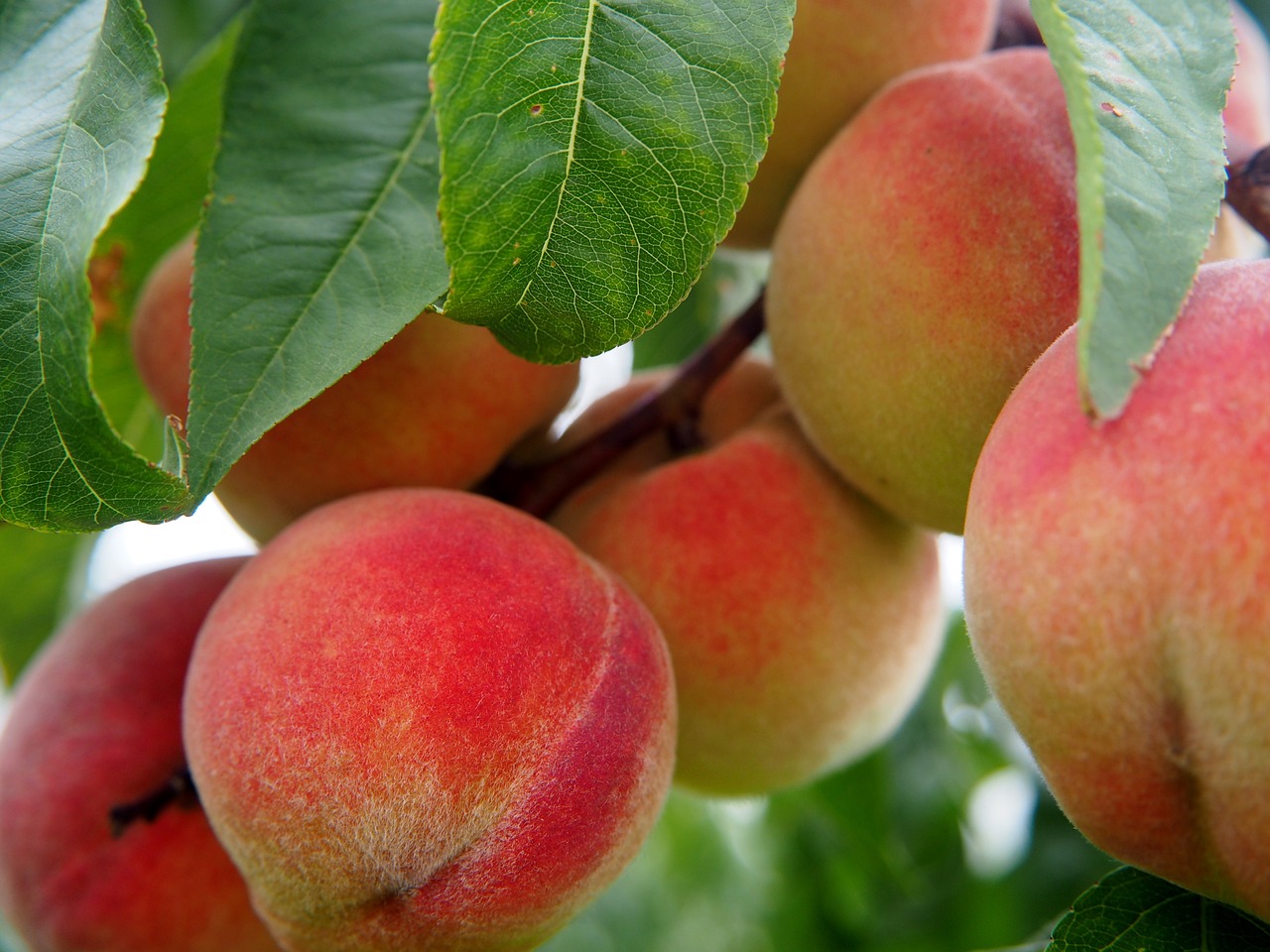
If you live along the coast in USDA Hardiness Zone 8, you’re in one of the sweetest spots in the country for growing fruit trees. With mild winters, long growing seasons, and a touch of maritime influence that tempers extreme temperatures, coastal Zone 8 offers unique opportunities—and a few challenges—for the home orchardist.
Understanding Coastal Zone 8
Zone 8 typically experiences minimum winter temperatures between 10°F and 20°F. Along the coast, however, the ocean moderates temperature swings, meaning fewer late frosts in spring and less risk of deep freezes in winter. Humidity tends to be higher, and the salty breeze is a fact of life. These factors all play into how you choose, plant, and care for your fruit trees.
Best Fruit Trees for Coastal Zone 8
1. Figs (Ficus carica)
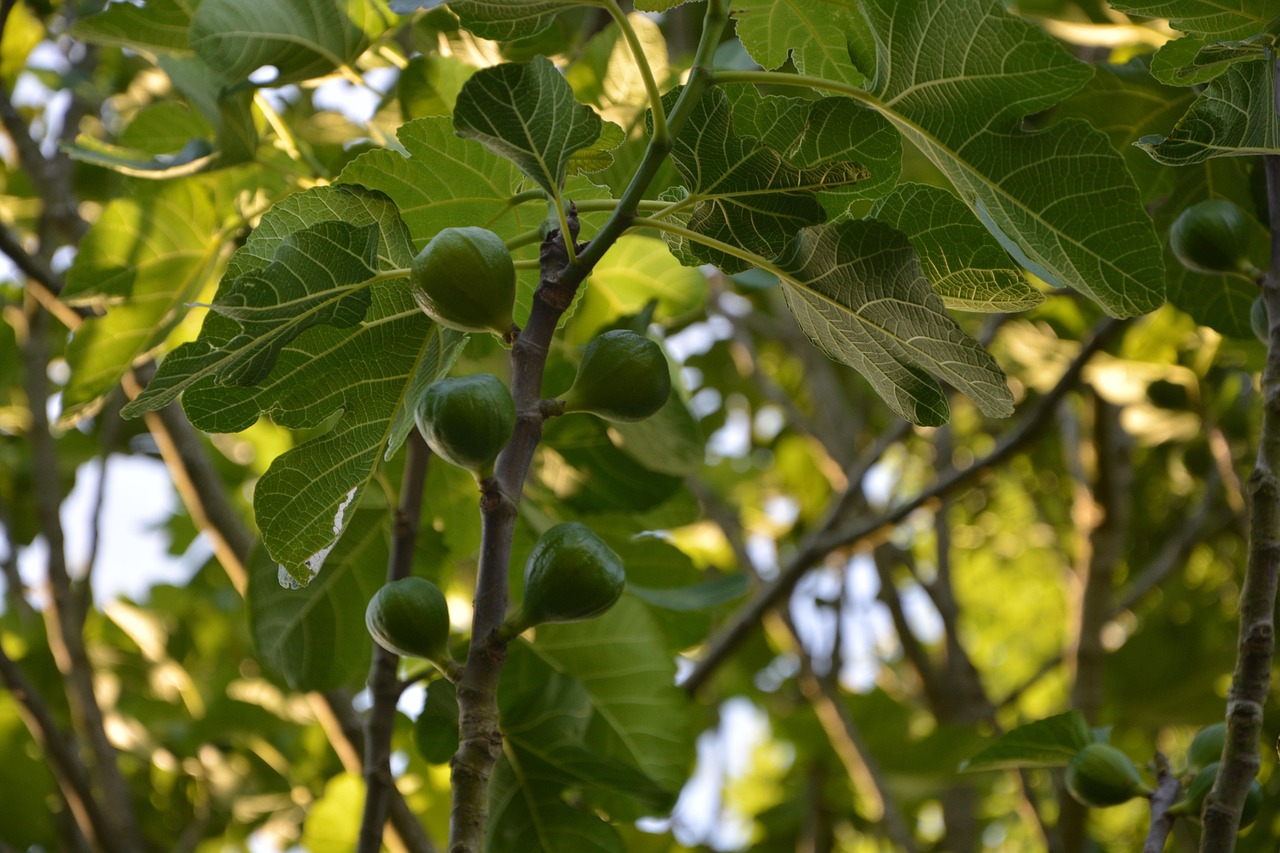
Figs thrive in Zone 8, especially along the coast where the warm, dry summers help ripen the fruit. Varieties like 'Celeste' and 'Brown Turkey' are excellent choices. Figs are relatively salt-tolerant and don't mind the occasional breeze off the ocean.
2. Citrus
While most citrus trees prefer Zone 9 and up, hardy varieties like satsumas (a type of mandarin orange) and kumquats do well in Zone 8b, especially in protected spots. If you’re right on the coast, the moderated temperatures help citrus survive those borderline winters. You can grow citrus like Meyer lemon, Key lime, and miniature orange trees in large parts and move them into a protected space like your Carolina room during the coldest winter months.
3. Persimmons
Both American and Asian persimmons grow beautifully in Zone 8. Varieties like 'Fuyu' (non-astringent) and 'Hachiya' (astringent until ripe) provide stunning fall color and rich, sweet fruit.
4. Pomegranates
Pomegranates love the long, hot summers of Zone 8 and tolerate some salt spray. Look for cold-hardy varieties like 'Wonderful' and 'Russian 26.'
5. Pears and Apples
Look for low-chill varieties of apples and pears. 'Anna' and 'Dorsett Golden' apples are popular in warm climates, and 'Hood' and 'Flordahome' pears do well with fewer chill hours.
6. Peaches and Nectarines
Stone fruits can be grown, but they require careful variety selection. Low-chill peaches like 'Florida King' and 'Gulf Prince' are designed for southern climates and can thrive in coastal Zone 8.
Tips for Success
1. Mind the Salt
While many fruit trees can tolerate some salt, it’s wise to plant windbreaks or hedges to protect your orchard from salt-laden breezes. Raised beds and proper soil drainage help too.
2. Watch for Disease
The humid coastal air can encourage fungal diseases like leaf curl, brown rot, and rust. Choose disease-resistant varieties when possible and practice good air circulation by proper pruning.
3. Soil
Preparation Coastal soils can be sandy and low in nutrients. Amend with organic matter like compost and consider a balanced fertilizer program to keep your trees productive.
4. Water Wisely
While humidity is high, rainfall can be erratic. Deep, infrequent watering encourages strong root systems and reduces disease pressure. You will need to strike a good balance between soaking your fruit trees and allowing the soil to dry so that you don't weaken your trees.
5. Chill
Hours Count Even in Zone 8, not all fruit trees will get enough winter chill to set fruit properly. Be sure to select varieties suited to your area’s average chill hours.
6. Monitor for Pests
Rabbits and deer are happy to make a feast in your growing orchard. Hard plastic tubes or tree wrap will help protect tender trunks. Fencing and nets can help keep deer away. There are also environment-friendly sprays, pellets, and other deterrents that you can try.
Insect pests are especially difficult to control without also killing bees and other friendly pollinators. The best defense are healthy trees, but if you detect damage, you can often salvage the tree by cutting away the infested portions, or spraying with soapy water. Boring beetles are often the scurge of coastal backyard orchards.
The New Hanover County Cooperative Extension runs a Master Gardener program that offers advice through volunteer educators. If you have questions about your fruit trees, this is a good resource.
Growing fruit trees in coastal Zone 8 is both rewarding and delicious. With thoughtful selection and care, you can enjoy homegrown fruit nearly year-round. Whether you’re dreaming of fresh figs in summer, juicy citrus in winter, or crisp apples in fall, your coastal garden can deliver.
So plant with confidence—and get ready to taste the fruits of your labor!

Kirk Pugh
Owner - Broker/REALTOR® | KBT Realty | Keller Williams Realty | PLACE
or another way