
Published February 11, 2023
Avoid Coastal Carolina Landscaping Confusion

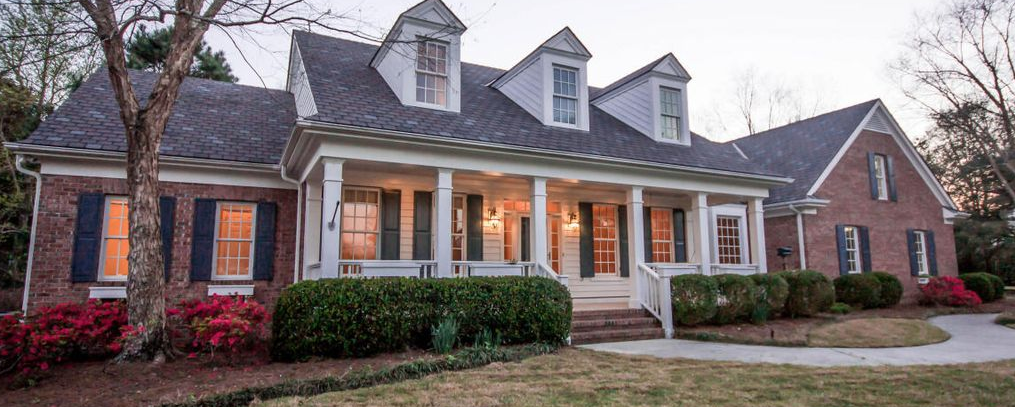
Welcome to our edge of North Carolina
We have hot humid summers and daily rain storms that will make you dream about lush tropical plants: orchids and palms. The sandy soil is daunting, but the mild winters inviting. Magnolia trees and giant ferns year round? Salty air. Driving winds and summer storms.
It’s all so confusing, especially for the transplanted gardener. If you moved to the Cape Fear area from inland or up north, tackling landscape tasks along the coast can be confusing. The trick to successful landscaping in any region is matching plants with both your property and the plant hardiness zone. It’s important to plan before you make the investment of dollars and effort.
Landscaping your property in the coastal Carolina area is even more challenging. What works at a beachfront property may not grow happily in a city garden, just twenty minutes away. And vice versa. The southeastern coastal North Carolina area offers special gardening challenges for home owners.

Where to start for landscaping success
Many new homeowners suggest tempering your landscaping enthusiasm for a full year, so that you can assess what was planted by previous owners. Many new homeowners have been surprised by a full bed of bulbs that pops up in the spring. After four seasons of “watching,” you can augment the landscape features you love, or replace those that are tired.
Southeastern North Carolina has a long growing season, generally from March 1st to November 30th, or the first frost. This multiplies both the fun and the challenge for do-it-yourself landscapers.
First, note the balance of sun to shade on your property, especially close to your house. Large trees, tall fences, and even structures on your neighbor’s property can impact the amount of sun your landscaping can count on. Note how the sun moves across your property each season. You might be surprised that the sunny spot next to your house all winter is a shady paradise all summer. A plant that needs sunshine really won’t make it in the shade, no matter how determined you are to coax it into thriving.
Assess the annual average rainfall and moisture retention at your property specifically. Many homeowners opt for automatic irrigation systems that include a rain sensor. Remember that a rain sensor indicates rainfall, not how much moisture your soil retains. July rainfall can seem prodigious, but sandy soil loses water more quickly than richer inland soils.
Choosing the best plants for your soil
Knowing the pH of your soil is also a key to landscaping success. Cape Fear residents can take advantage of the resources at the New Hanover County Arboretum. Arboretum Master Gardeners answer questions in a Plant Clinic, and staff the Arboretum hotline. They will help you select the right plants for your property, discuss weed and pest control, and advise you on how to avoid using chemicals. The Arboretum also offers soil testing for $4 during peak season, and free from April 1 through Mid November. Experts suggest that you do multiple tests for the various beds and planting areas in your yard, as variations often occur even on a relatively small property.
Explore your options in lawn grass and native plants. Exotics may be tempting. If you’re transplanted from up north or the midwest, you might yearn for the garden you left. You will have greater success, however, if you concentrate on plants, shrubs, and trees that grow naturally along the Carolina coast.
You’ve got lots of beautiful choices, from the Eastern Redbud tree and Pinkshell azalea bushes, to Lady fern and Wild Blue Phlox. Consult a local landscaper, garden store, or use the plant selection chart online from North Carolina Native Plant Society. Choosing salt tolerant plants are an imperative: grassy sea oats, flowering oleander, many evergreen shrubs, and most zinnias are excellent choices.
Make sure that you stay away from invasive plants. Check with the Arboretum for a list of those to avoid.
Give your landscaping some pizzazz
Incorporate landscape accents that fit the style of your home. Fencing, fountains and ponds, stone or brick walkways are great places to start. Many of the consignment stores in the area carry interesting vintage or repurposed birdbaths, statues, salvaged architectural accents, and metalwork that make unique landscape features.
One of the best suggestions from expert landscapers is to observe naturally green areas. Study how plants grow in relation to each other, and what combinations are appealing to your eye. Drive through neighborhoods. Take photos and use them as a guide in landscaping your property.
Having intention in your landscape goals is important whether you are doing your own gardening, or engaging a professional landscaping company to create and maintain your yard.

Kirk Pugh
Owner - Broker/REALTOR® | KBT Realty | Keller Williams Realty | PLACE
or another way