
Categories
cape fear livingPublished February 10, 2026
Why the Arts Matter in Coastal Real Estate (More Than People Think)
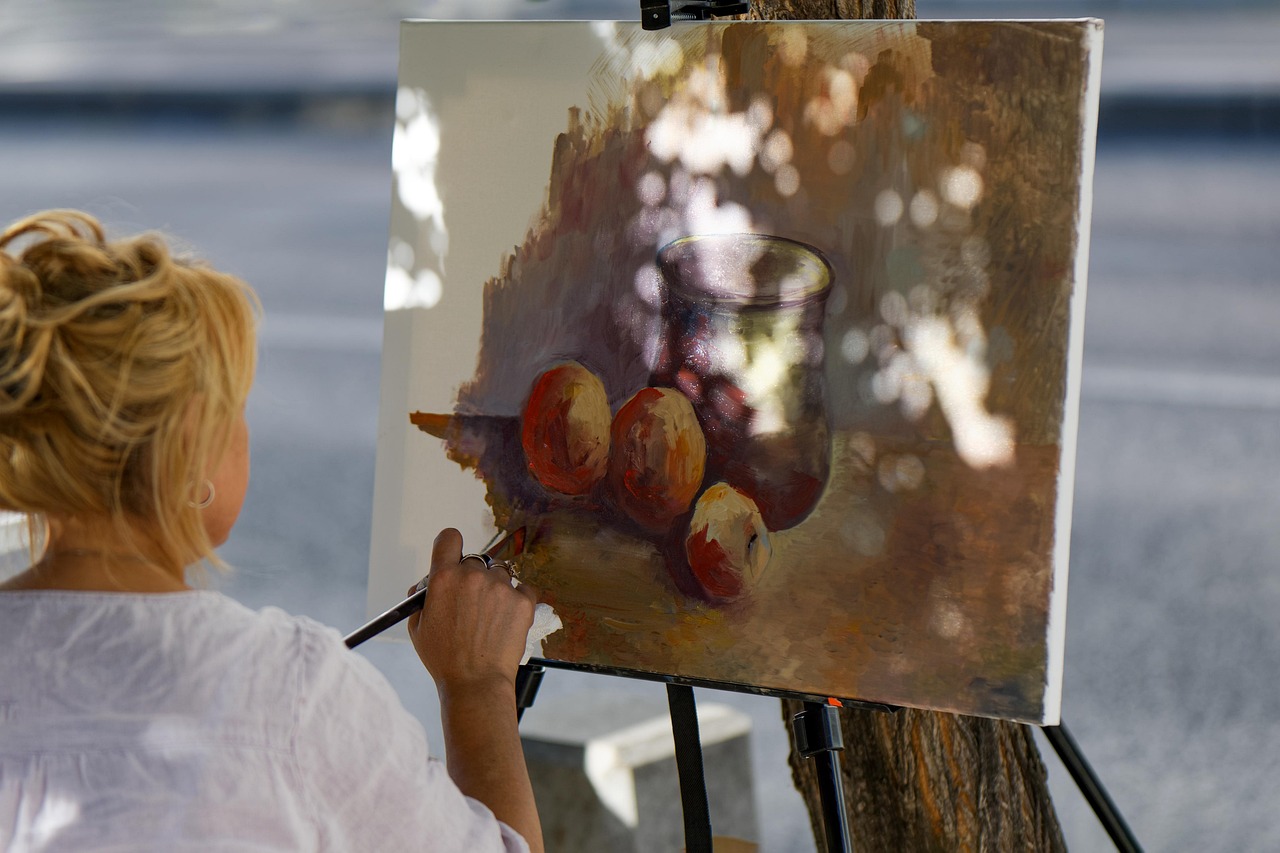
When buyers look at southeastern coastal North Carolina — Wilmington, the Cape Fear region, the island beaches, Southport, and over to the Crystal Coast — they may start with water views and weather. But what makes people stay, invest, and put down roots is culture. And culture here is powered in large part by the arts.
A thriving arts scene signals something important to homebuyers:
This is a place with energy, education, community engagement, and long-term livability.
That’s not fluff. It affects:
-
Neighborhood desirability
-
Walkability and foot traffic
-
Small business growth
-
Rental demand
-
Long-term property appreciation
In other words, art helps turn a “beach town” into a real community — and that’s gold in real estate. That's also gold in southeastern coastal North Carolina, where we have an arts scene that brings visitors from all around to visit our galleries, enjoy theater and concerts, and frequent our museums and historical sites.
Wilmington: Where Arts + Urban Coastal Living Intersect
Wilmington’s arts infrastructure is a big reason the city punches above its weight in the housing market.
Between the Cameron Art Museum, downtown galleries, public art, film culture, and historic venues like Thalian Hall, Wilmington offers the kind of cultural density you typically find in much larger cities. That matters to:
-
Remote professionals relocating from urban markets
-
Retirees who want stimulation, not isolation
-
Families who value access to arts education
-
Investors targeting long-term rental appeal
Neighborhoods near downtown, the Cargo District, Brooklyn Arts District, and midtown corridors benefit directly from proximity to galleries, performance spaces, festivals, and creative businesses. These areas often attract:
- Buyers looking for walkable, character-driven neighborhoods
- Short-term rental interest (where permitted)
- Entrepreneurs and creatives seeking live/work flexibility
Arts districts tend to age well in real estate terms — they don’t go “out of style” the way trend-based developments can.
Beach Communities: Lifestyle Buyers Want More Than Sand
Carolina Beach, Kure Beach, Wrightsville Beach, and Southport may be smaller, but their arts communities play an outsized role in attracting full-time residents — not just vacation homeowners.
Local galleries, art walks, co-ops, craft markets, and arts councils help shift these towns from seasonal resort areas to year-round communities.
That’s a big deal for property stability.
Buyers relocating from out of state often ask:
“What is there to do besides the beach?”
The answer — art shows, classes, community theater, festivals, live music, studio tours — gives these markets depth. It reassures buyers that winter won’t feel empty and that social connection is accessible.
In real estate terms, that translates to:
-
Stronger off-season activity
-
More full-time residency
-
More consistent local economy
-
Healthier long-term demand for housing
The Creative Economy = Economic Resilience
Artists, designers, filmmakers, performers, and makers aren’t just adding charm — they’re part of the local economic engine.
Creative communities support:
-
Coffee shops
-
restaurants
-
boutiques
-
coworking spaces
-
markets and pop-ups
That ecosystem is exactly what relocating buyers are chasing when they leave larger metros: character without congestion.
Areas with visible creative life often see:
-
Faster neighborhood revitalization
-
Increased interest in historic homes and adaptive reuse spaces
-
Demand for unique properties (lofts, cottages, bungalows, mixed-use buildings)
Art-friendly communities also tend to support public spaces, beautification, and events — all things that keep neighborhoods feeling alive and well cared for.
Lifestyle Marketing: Selling the Feeling, Not Just the Floor Plan
From a real estate marketing standpoint, the arts provide story.
Instead of just:
“3 bed, 2 bath near downtown”
It becomes:
“Walk to gallery nights, live music, historic theaters, and riverfront festivals.”
That shift matters emotionally. Buyers don’t just picture a house — they picture a life.
For second-home buyers, the arts scene adds justification:
“This isn’t just a vacation spot. This is a place with depth.”
For retirees:
“I won’t be bored.”
For families:
“My kids will grow up with exposure to culture, not just screens.”
The Big Picture: Culture Supports Value
Southeastern coastal North Carolina isn’t relying solely on beaches and sunshine anymore. Its expanding arts footprint signals:
-
A maturing regional identity
-
Broader economic diversity
-
Increased appeal to educated, mobile buyers
-
Stronger long-term community investment
That combination supports housing demand in a way purely seasonal destinations struggle to maintain.
Art makes a place feel permanent.
And permanence is exactly what stabilizes real estate markets.

Kirk Pugh
Owner - Broker/REALTOR® | KBT Realty | Keller Williams Realty | PLACE
or another way