
Categories
cape fear livingPublished February 3, 2026
What Really Defines Dining in Southeastern North Carolina

Seafood Isn’t a Treat — It’s Tuesday. Or Wednesday. Or Thursday...
In a lot of places, seafood is a special occasion. Here, it’s just dinner.
We’re talking shrimp that were in the ocean that morning. Flounder, grouper, oysters, clams, blue crab - this is everyday food, not a splurge. Local fish houses and waterfront restaurants serve it fried, grilled, blackened, or tucked into a sandwich with minimal fuss. The philosophy is simple: if the ingredient is this good, don’t mess it up.
Local staples you’ll see everywhere:
-
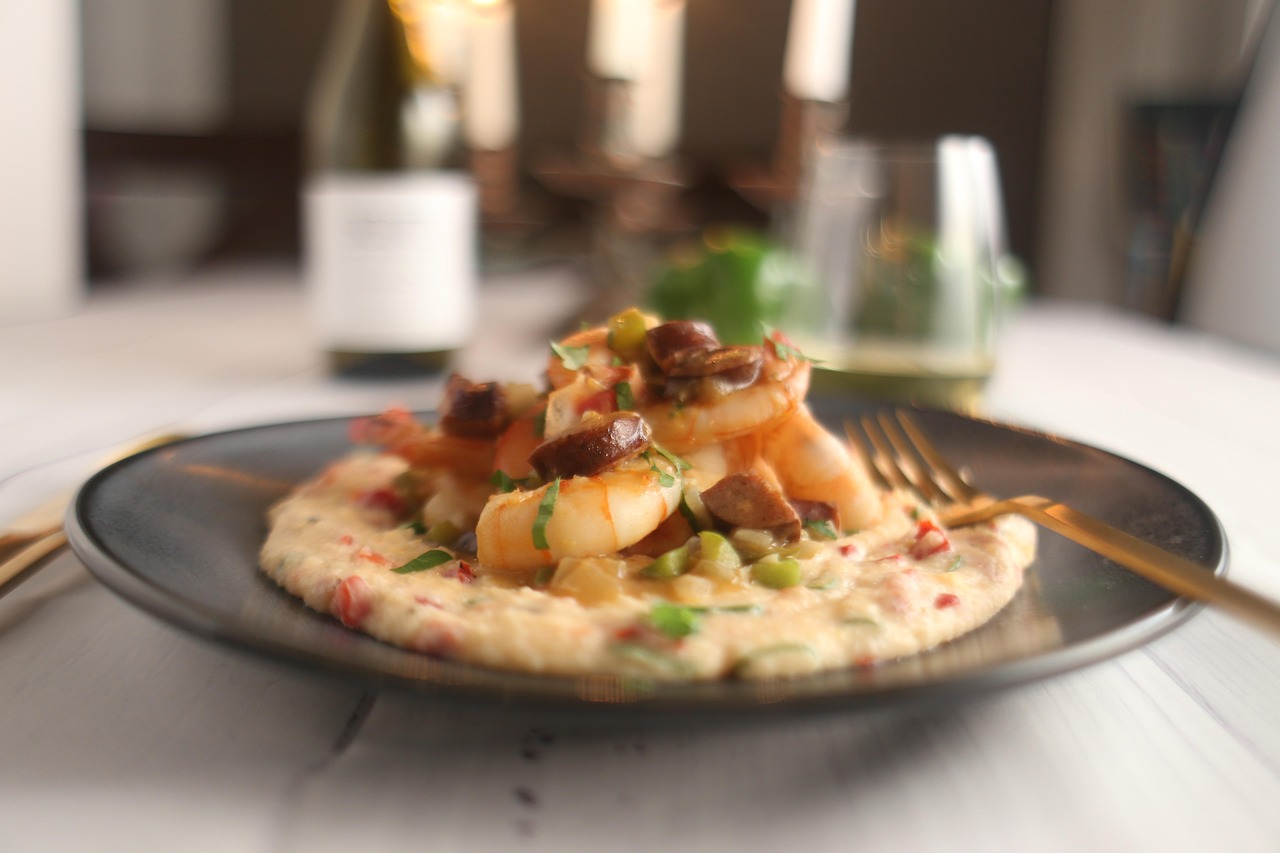
Shrimp and grits – Creamy, savory, and often finished with bacon, sausage, or a light gravy. It’s Southern comfort with a coastal accent. We often have conversations about our favorite shrimp and grits. Cape Fear Seafood, Basics, and Seabird are all contenders.
-
Fried seafood platters – Shrimp, oysters, scallops, flounder — golden, crispy, and unapologetically indulgent.
-
Crab cakes – Less filler, more crab. The good ones are barely held together.
-
Oyster roasts and steamer pots – Social food. Messy hands, cold drinks, zero pretension. Where to go for a great oyster roast? Make friends with your neighbors! As local as you can get, that's the best.
- Sushi - Local fish, fresh from the ocean, makes our Asian dining some of the best in the country.
For homeowners, this means weekends can look like a quick run to a seafood market, like Eagle Island or Seview Crab Company, grilling on the deck, and eating outside with friends. That’s not vacation mode, that’s regular life.
Calabash-Style Seafood: The Local Legend
If you hear “Calabash seafood,” that’s not just marketing. It’s a regional style that started in the small fishing town of Calabash and spread across the Carolinas.
What makes it different?
-
Light, almost delicate breading
-
Small portions of different seafood, rather than one giant piece
-
Quick fry, so it’s crisp but not heavy
It’s the opposite of greasy fast food. Done right, it’s airy, crunchy, and ridiculously easy to keep eating long after you’re full. People who move here quickly develop strong opinions about who does it best.
From a real estate perspective, this kind of hyper-local food identity adds character. These towns aren’t interchangeable beach communities — they each have flavor, literally and culturally. We promise you, there are people who buy a home in Calabash just because they love the local seafood dining options.
Southern Sides Still Rule the Plate
Even with all the seafood, this is still the South. And the sides matter.
Expect menus loaded with:
-
Hushpuppies – Golden cornmeal fritters, slightly sweet, served with seafood like they’re non-negotiable.
-
Collard greens – Slow-cooked, savory, and deeply traditional.
-
Mac and cheese – Baked, creamy, and not trying to be trendy.
-
Fried okra – Crispy, salty, and addictive.
-
Sweet tea – Yes, it’s sweet. Very. You adjust fast. Or, ease yourself into it with a request for "half and half."
This is food that feels rooted. For many buyers relocating from other states, there’s a real sense of discovering a regional culture that hasn’t been completely smoothed out or commercialized.
Waterfront Dining Is Part of Daily Life
In southeastern coastal NC, dinner with a water view isn’t reserved for anniversaries. It’s a normal Wednesday.
Dockside restaurants, marinas with grills, and riverfront spots are woven into daily routines. You’ll see:
-
Boaters pulling up for lunch
-
Families in flip-flops straight from the beach
-
Sunsets over the Intracoastal Waterway or Cape Fear River as the backdrop
Some of our favorite waterside restaurants are Bluewater Grill, Oceanic at the Crystal Pier, The Pilot House, The Wharf (Holden Beach), and Fish House Grill. Some of these are pretty "touristy," but there are always plenty of locals enjoying great seafood, especially off-season.
That easy access to the water — not just visually, but socially — is a major lifestyle driver. When people tour homes near the water, they’re not just picturing kayaking or boating. They’re picturing grabbing dinner where the boats tie up right out front.
The Rise of Local, Independent Spots
While chains exist, the real personality of this region comes from independent restaurants, cafés, breweries, and bakeries. Wilmington especially has seen serious growth in chef-driven spots, craft breweries, and coffee shops that would hold their own in much larger cities.
You’ll find:
-
Farm-to-table menus featuring local produce and seafood
-
Coastal-inspired fine dining without big-city attitude
-
Breweries and taprooms that double as community hubs
-
Laid-back brunch culture that’s a weekend ritual
For buyers coming from urban areas, this mix is a sweet spot: you get food quality and variety, but without traffic, reservations weeks in advance, or sky-high prices.
Food as Community Glue
Here’s the part that doesn’t show up in listings but absolutely affects quality of life: food brings people together here.
Neighborhood oyster roasts. Church and community fish fries. Waterfront concerts with food trucks. Farmers markets packed on Saturday mornings. Food is how people gather, celebrate, and welcome newcomers.
For someone relocating, that matters. It’s a lot easier to feel at home when social life naturally revolves around shared tables, casual events, and outdoor gatherings. One of our local specialists would love to tell you about their favorite foodie events in the Cape Fear, just ask!
Why This Matters in Real Estate
When people picture living at the coast, they often imagine the beach, and that’s fair. But day-to-day life is built on smaller, repeatable pleasures:
-
Fresh seafood on a weeknight
-
Coffee and a pastry from a local bakery
-
Dinner by the water without dressing up
-
Farmers markets and local produce
-
Community events centered around food
That’s the rhythm of life here. Homes with porches, decks, outdoor kitchens, and open living spaces make more sense when you understand how often people cook, host, and eat socially.
Southeastern coastal North Carolina isn’t just a place where you own property near the water. It’s a place where the regional food culture constantly reminds you why you moved here in the first place.
And honestly? That’s a selling point that never goes out of season.

Kirk Pugh
Owner - Broker/REALTOR® | KBT Realty | Keller Williams Realty | PLACE
or another way