
Categories
cape fear livingPublished May 12, 2025
Understanding the Flags and More: a Guide to North Carolina Beach Safety

Understanding the Flags: A Guide to North Carolina Beach Safety
When you visit North Carolina's beautiful beaches—from the Outer Banks in the north to Bald Head Island and the Brunswick beaches—it's easy to get caught up in the crashing waves, soft sand, and salty breeze off the Atlantic Ocean. But before you spread out your towel and dive into the surf, it’s crucial to understand the safety systems in place—especially the colorful flags you'll see flying near lifeguard stands and public beach access points.
Those flags aren’t just decorations—they’re part of a universal warning system designed to keep you and your family safe while enjoying the coast. Let’s dive into what each flag means and cover some essential beach safety tips every visitor should know.
🌊 The Beach Flag Warning System in North Carolina
Most North Carolina beaches follow a standardized flag system based on guidelines from the United States Lifesaving Association (USLA). Here’s what each color typically means:
Green Flag – Low Hazard A green flag indicates calm conditions and a low risk of dangerous currents. It’s the safest flag to see when you’re planning to swim, but remember: the ocean is always unpredictable. Stay alert, even on green flag days.
Yellow Flag – Medium Hazard Yellow flags signal moderate surf and/or currents. Swimming is still allowed, but extra caution is advised, especially for children, inexperienced swimmers, and older adults. Rip currents may still be present, though not severe.
Red Flag – High Hazard Red flags warn of high surf, strong rip currents, and dangerous swimming conditions. It’s highly recommended that only strong, experienced swimmers enter the water—and even then, with caution. Some beaches may prohibit swimming entirely under red flag conditions.
Double Red Flags – Water Closed to the Public This is the most serious flag warning. When double red flags are flying, swimming is prohibited by law. Conditions are extremely dangerous, often due to powerful rip currents, storms, or unsafe marine life activity.
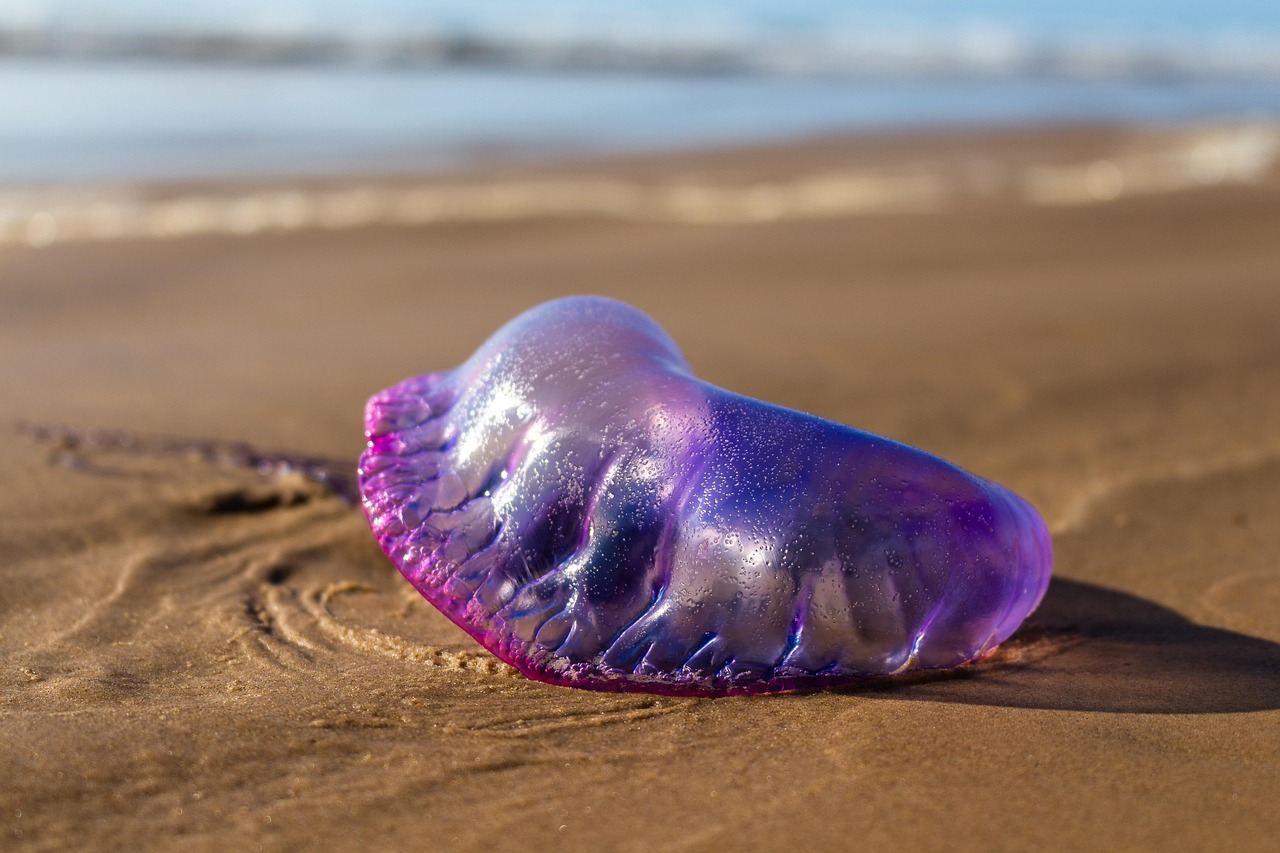
Purple Flag – Dangerous Marine Life A purple flag means that hazardous marine life has been spotted in the area. This could include jellyfish, stingrays, or even sharks. While the water may be calm, the presence of these creatures calls for caution.
Red Over Yellow Flag – Designated Swimming Area If you see a flag with red over yellow colors, this marks a section of the beach monitored by lifeguards. These areas are generally safer for swimming.

🚩 Additional Beach Safety Tips for North Carolina Beachgoers
Even if you know the flags, staying safe at the beach means following some time-tested safety rules:
1. Learn About Rip Currents
Rip currents are one of the most dangerous natural hazards at the beach. They’re fast-moving channels of water that can pull even strong swimmers out to sea. If you’re caught in one: Don’t panic. Don’t swim directly back to shore against the current. Swim parallel to the shoreline until you’re out of the current, then head back in. Look for signs of rip currents before entering the water, such as discolored water, foam moving out to sea, or a break in the wave pattern.
2. Swim Near Lifeguards
Your safest bet is always to swim in areas where lifeguards are present. According to the USLA, the chance of drowning at a beach with lifeguards is 1 in 18 million.
3. Check the Forecast
North Carolina's coast is prone to sudden weather changes, especially during hurricane season (June to November). Before heading to the beach, check for storm warnings, high surf advisories, and rip current risks.
4. Use Sun Protection
The sun can be intense on North Carolina’s shores. Wear broad-spectrum sunscreen, a wide-brimmed hat, and UV-protective clothing, and remember to reapply sunscreen after swimming.
5. Stay Hydrated
The combination of sun and saltwater can dehydrate you quickly. Bring plenty of water and sip it regularly, even if you don’t feel thirsty.
6. Watch for Wildlife & Respect the Sand
North Carolina beaches are rich in wildlife, including nesting sea turtles, crabs, and various shorebirds. Always observe from a distance, and never disturb nests or animals. Do not cross sea turtle nest barricades. Don't dig holes deeper than the shortest child's knees, and fill in every hole that you do dig before leaving the beach.
7. Know the Rules
Many beaches have specific regulations:
- No glass containers
- No fires outside designated areas
- Dog restrictions (varies by season and location)
- Beach driving permits required in some areas (like the Outer Banks and Carolina Beach's North End)
Check local ordinances before your visit to avoid fines and help protect these beautiful natural areas.
🌞 Final Thoughts: Respect the Flags, Respect the Ocean
The colorful flags flying on North Carolina beaches are there for a reason: to keep you safe. By understanding what they mean and following basic safety rules, you can ensure your beach day is memorable for all the right reasons. The Atlantic coast is a treasure trove of adventure and relaxation—but it demands respect. So the next time you head out with your beach bag and boogie board, take a minute to look up at those flags. They just might save your life.

Kirk Pugh
Owner - Broker/REALTOR® | KBT Realty | Keller Williams Realty | PLACE
or another way