
Categories
Moving TipsPublished May 7, 2025
Your New Home: Helping Pets Adjust to a Move


Moving to a new home - whether you have just bought a new house or are renting a different apartment - is a big life event for humans. But, it can be even more confusing and stressful for our pets. Animals thrive on routine and familiarity, so when their environment changes, they often feel anxious and uncertain.
Fortunately, with a little planning and extra care, you can help your furry friends adjust smoothly to their new surroundings. Here are some thoughtful ways to ease the transition for your pets when you move.
1. Prepare Your Pet Before the Move
Start preparing your pet as soon as you know you'll be moving. Animals are sensitive to changes in their environment and your emotions. Pets that are out-of-sorts when they see a suitcase will be even more upset with piles of moving boxes. If you're stressed, your pet will likely pick up on it. Try to maintain their normal routine of feeding, walks, and playtime. Begin introducing moving boxes gradually so they can get used to seeing them around. For cats and small dogs, let them explore the boxes at their own pace. If possible, take your dog on visits to the new neighborhood before the move so they can become familiar with the sights and smells. Take walks and drive through frequently so that it is not completely unknown.
For cats and other pets who don’t travel well, bring home an item from the new place — like a small blanket or toy — so they can sniff and get accustomed to its scent.
2. Keep Their Essentials Close
When packing, make sure to set aside a bag or box with your pet's essentials: food, water, bowls, litter box, favorite toys, treats, leash, waste bags, grooming supplies, and any medications. Keep this kit easily accessible throughout the move. Having their familiar items nearby will help provide comfort and a sense of normalcy.
3. Create a Safe Space During the Move
Moving day is often chaotic, with people coming and going, doors left open, and loud noises — all of which can be frightening for pets. To keep them safe and reduce stress, set up a quiet room with their bed, toys, food, and water, and keep the door closed.
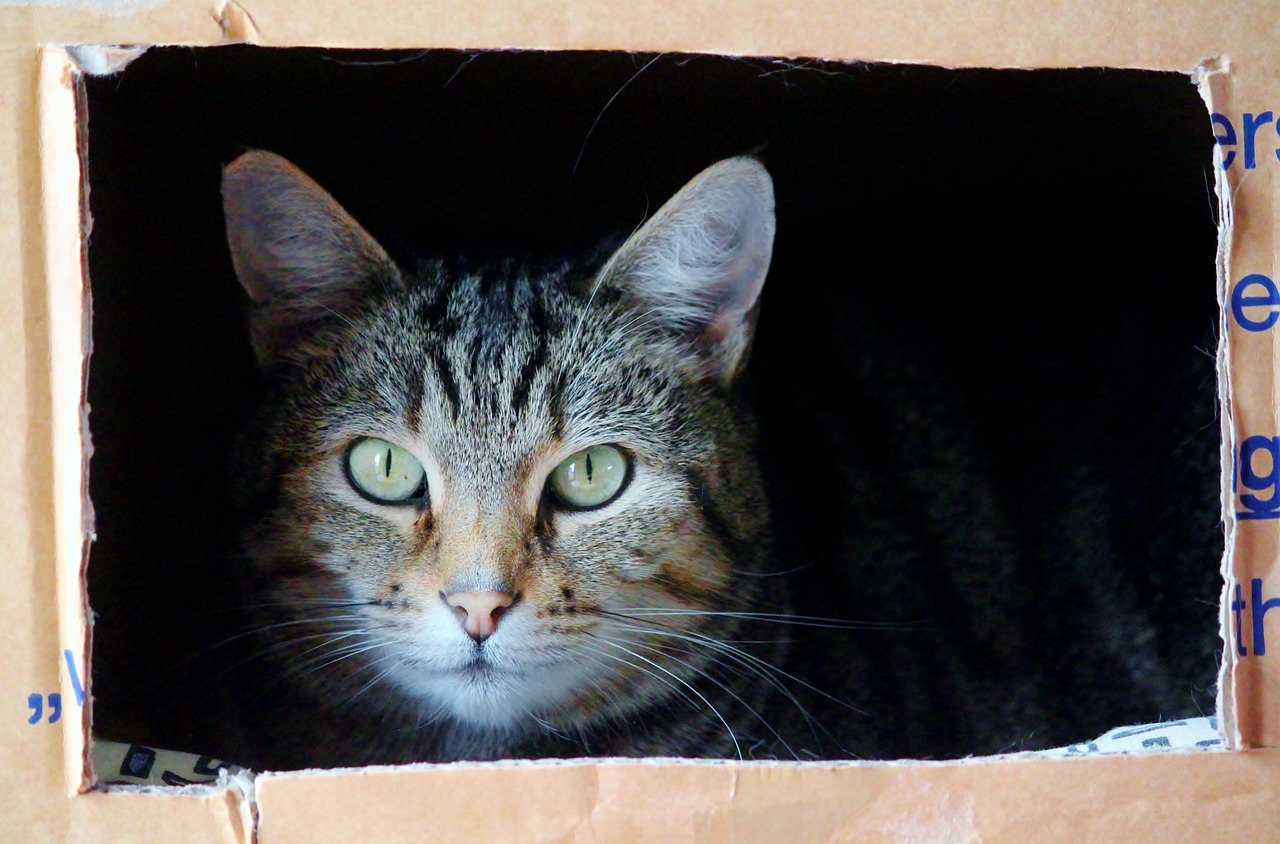
Alternatively, consider boarding them with a trusted pet sitter or at a kennel for the day. This can prevent accidents like pets slipping out and getting lost during the hustle and bustle. Cats especially like to sneak into open van doors or boxes, so don't risk them being inadvertantly lost in the move.
4. Pet-Proof Your New Home
Before letting your pet roam freely in your new home, take time to pet-proof the space. Check for hazards like exposed wires, poisonous plants, small items they could swallow, or gaps where they could get stuck. Make sure windows and doors close securely.
For outdoor pets, inspect fences and gates for any escape routes. Be sure to look behind hedges and in the corners to ensure that there are no holes under or through a fence. Make sure that all fence boards are secure. Don't put outdoor furniture too close to the fence; a dog can jump on a chair or table and then hop over a fence. Your pets might try to escape the unfamiliar yard and get far away from your new home in their confusion.
Spend plenty of time outdoors with your pets to make sure they know this is now your permanent home too.
5. Gradually Introduce Them to Their New Environment
Once you arrive, start by confining your pet to one room where they can slowly acclimate. Set it up with all their familiar belongings. As they begin to feel comfortable, gradually allow them to explore the rest of the house one area at a time. For cats, especially, slow introductions help prevent overwhelming them. Stick to their normal schedule for feeding, walks, and playtime as much as possible to reinforce a sense of routine. The first few times in a new yard - even a fenced one - are best done on leash.
6. Be Patient and Offer Reassurance
It can take days, weeks, or even months for pets to fully adjust to a new home. Be patient and watch for signs of stress such as hiding, excessive barking or meowing, changes in appetite, or accidents in the house. Offer plenty of affection, playtime, and reassurance. For anxious pets, calming products like pheromone diffusers or anxiety wraps can also help.
7. Update Identification and Veterinary Records
Don’t forget to update your pet’s microchip information, ID tags, and vet records with your new address and phone number before you move. If you’ve moved to a new city or state, establish care with a local veterinarian as soon as possible.
8. Explore the New Area Together
For dogs, taking regular walks around the new neighborhood can help them feel more at home. Let them sniff and explore at their own pace. Gradually introduce them to local parks, trails, and pet-friendly spots. For cats, setting up a cozy window perch can let them safely observe the outdoors and feel connected to their new environment.
Moving can be stressful, but with a little preparation and a lot of love, your pets can settle in and thrive in their new home. Remember, they look to you for reassurance — so staying calm, patient, and attentive will go a long way in helping them adjust. After all, home is where the heart (and the pets) are!

Kirk Pugh
Owner - Broker/REALTOR® | KBT Realty | Keller Williams Realty | PLACE
or another way