Published August 1, 2023
What to Look for in a New Construction Home Inspection

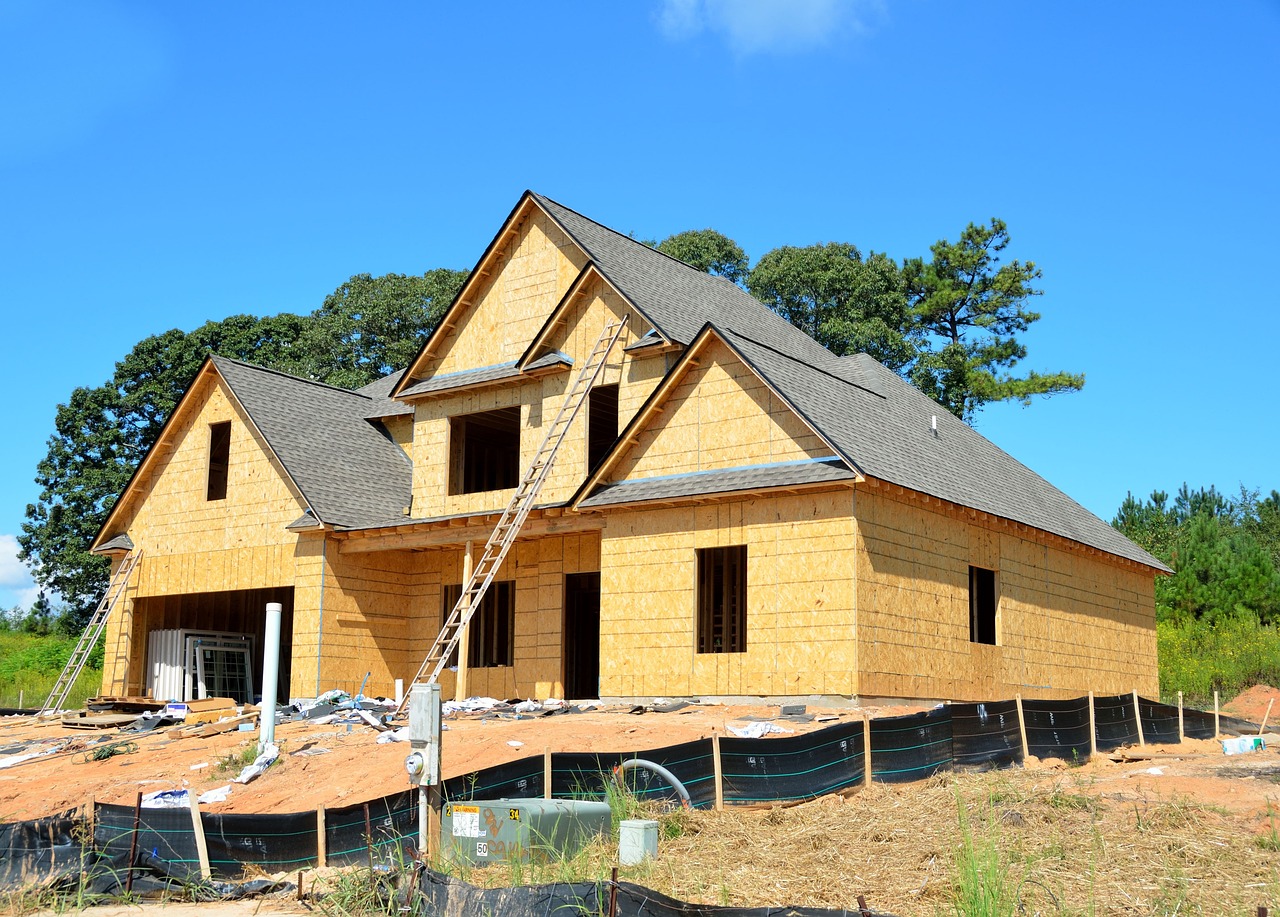
Purchasing a new construction home is exciting because everything is brand new, with you as the person using appliances, fixtures, and features for the first time. Investing in a freshly-built property is a rewarding experience.
Even though new construction homes are generally expected to be problem-free, it is essential to conduct a thorough inspection to ensure that your dream home meets all your expectations and is free from any hidden issues. Here are the key aspects to consider in your home inspector's new construction home inspection report. It is essential that you protect your investment and ensure peace of mind.
Exterior Inspection
The inspection should start outside your new build home to assess the overall condition and quality of the construction:
a. Foundation: Check for any cracks or signs of settling in the foundation. It should be even and level.
b. Roofing: Inspect the roof for loose shingles, missing tiles, or any signs of inadequate installation.
c. Siding and Exterior Walls: Look for any gaps, dents, or improper installation that could lead to water seepage or energy inefficiency.
d. Windows and Doors: Ensure windows and doors open and close smoothly, and there are no gaps between frames and walls.
e. Driveway and Walkways: Inspect the paving for cracks, unevenness, and proper drainage to avoid potential trip hazards.
Interior Inspection
Next, your home inspector will move indoors and meticulously examine every corner of your new home:
a. Structural Components: Check walls, ceilings, and floors for cracks, unevenness, or sagging.
b. Plumbing: Test all faucets, showers, and toilets for leaks and adequate water pressure.
c. Electrical Systems: Ensure all outlets, switches, and light fixtures are functional and correctly installed.
d. HVAC Systems: Test the heating and cooling systems to verify they operate efficiently.
e. Insulation: Confirm the proper installation of insulation in walls, ceilings, and floors to ensure energy efficiency.
f. Appliances: Check that all installed appliances, such as ovens, dishwashers, and exhaust fans, are in working order.
g. Fire Safety: Ensure smoke detectors, fire alarms, and carbon monoxide detectors are properly installed and functional.
Energy Efficiency and Insulation
New construction homes are designed to be energy-efficient, but it is essential to validate these claims:
a. Energy Ratings: Verify the energy ratings and certifications of the home to gauge its energy efficiency.
b. Insulation: Assess the insulation in the walls, attic, and crawl spaces to prevent energy loss and maintain comfortable indoor temperatures.
c. Windows and Doors: Confirm that windows and doors are Energy Star certified and appropriately sealed.
Water Drainage and Ventilation
A well-maintained water drainage and ventilation system are crucial to prevent moisture-related issues:
a. Gutters and Downspouts: Check gutters and downspouts to ensure they are clear of debris and adequately direct water away from the foundation.
b. Ventilation: Inspect ventilation systems in kitchens, bathrooms, and attics to prevent mold and dampness.
Finishes and Aesthetics
Expect a careful inspection of the cosmetic elements of your new home:
a. Paint and Finishes: Look for any blemishes, uneven paint, or inconsistencies in finishes.
b. Flooring: Check for any damage or flaws in the flooring material and installation.
c. Cabinets and Countertops: Ensure all cabinets are level and that countertops are correctly installed without cracks or chips.
Landscaping
While the home's interior is essential, do not overlook a report on the condition of the exterior landscaping:
a. Grading: Verify the land is correctly graded to prevent water from pooling around the foundation.
b. Irrigation: Test the irrigation system to ensure proper functioning and coverage.
A new construction home inspection is a critical step in ensuring that your investment is well-protected and your future residence meets all your expectations. Paying attention to the exterior and interior components, energy efficiency, water drainage, aesthetics, and landscaping will help you identify any potential issues before they escalate, giving you peace of mind and confidence in your new home. If you encounter any concerns during the inspection, don't hesitate to with your buyer's agent and your builder to address and resolve them promptly.
With a thorough inspection, you can confidently embark on your journey in your new construction dream home.