
Published February 9, 2023
A Quick Guide to Homeowners Insurance

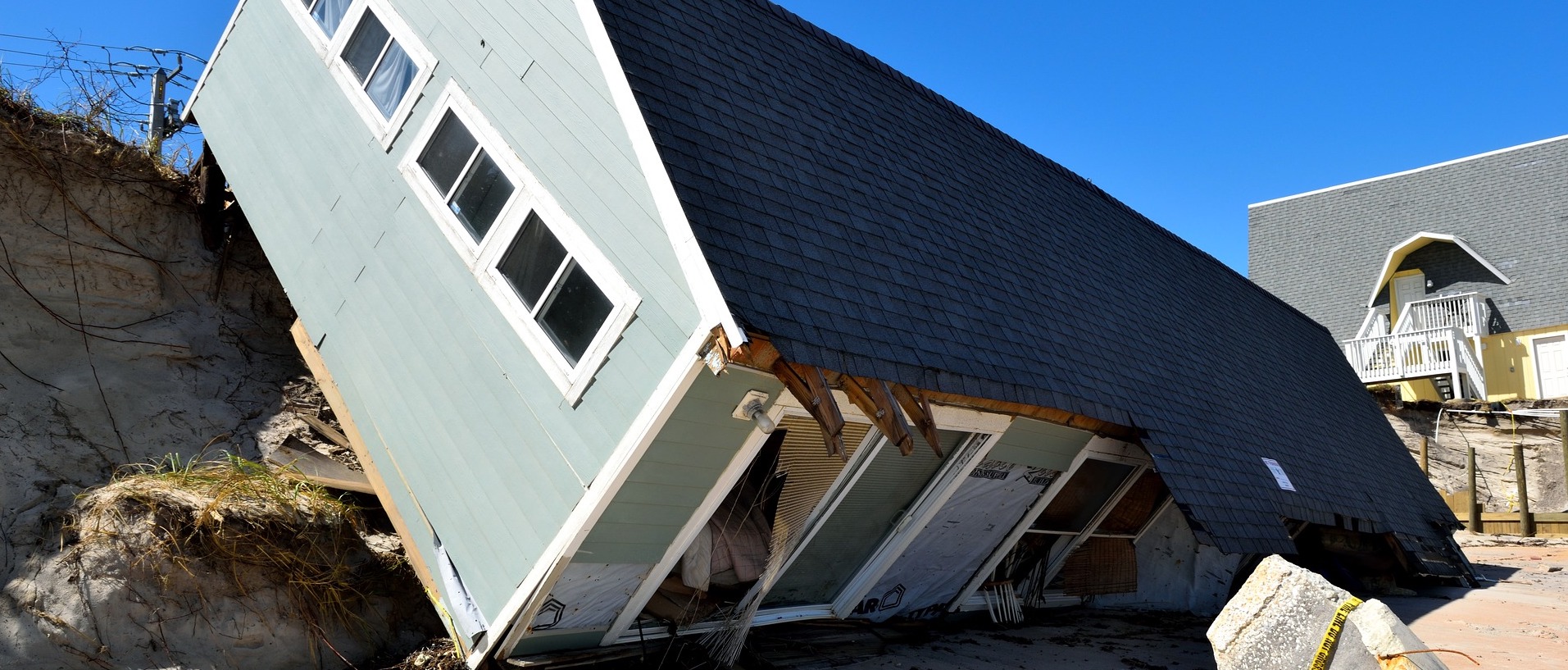
contributed by Susan Doktor
Protecting what we love comes naturally to us. But in the case of protecting our homes, there’s a little more to it than intuition. Homeowners insurance is a bit of a puzzle, especially for first-time homebuyers. Let’s take a look at some of the things you need to know when considering coverage and budgeting for your policy.
But even if you don’t owe a cent on your house, you owe it to yourself—and others—to insure your property. Chances are, your home is among your largest assets. A fire or hurricane could devastate its value. What’s more, homeowners are often held legally responsible for injuries and damages suffered by other people on their properties. If a neighbor or worker was hurt on your property, wouldn’t you want there be funds available to cover their treatment or other losses? And that leads us to a discussion of the various types of homeowners insurance you should carry. The best homeowners insurance covers a wide range of mishaps and even disasters you may encounter as a homeowner.
So if liability insurance protects your assets, it makes sense that if you have a lot of assets, you should also carry a lot of liability insurance. But bear in mind, your mortgage lender only cares about one of them: your home. So the minimum amount of homeowners insurance required by lenders may not sufficiently cover you in the event of a serious accident. So when you buy a liability policy, consider what all your assets are worth in total and opt for coverage limits that meet or exceed them.
But on the more serious side, if a hurricane bears down on your town and rips the roof off your home, your property insurance would pay for a new roof. It would also pay for most damage caused by the storm inside or around your home. Your clothes and your piano would be covered. So would your garage, your gardening shed, and your pool would be covered. Property damage insurance extends to all of your outbuildings, landscaping, fences, and more.
Particularly if you’re buying a home in a coastal or low-lying area, there’s one exception built into standard property insurance that you should be aware of. Flood damage is excluded under most policies. If you live right near the beach or in a known flood zone, you may want to invest in separate flood insurance.
Standard property insurance covers most stolen or vandalized property. But there are exceptions to this rule, too.
If you keep expensive jewelry or antiques in your home, chances are they won’t be covered if you’re burglarized. The solution to that problem is to purchase a separate insurance rider for these high-value items. You’ll be required to submit photos of your beautiful baubles to purchase a jewelry rider and, in some cases, you may need to have your jewelry appraised. But speaking of photos, insurance experts recommend that you keep a photo inventory of your valuable possessions to make filing insurance claims easier. Keep your inventory on the cloud, of course. The computer you might otherwise keep them on is also a magnet for burglars. By the way, every policy places limits on stolen cash, generally in the neighborhood of a couple of hundred dollars. So keep your at-home cash stash under the limit to avoid an uncovered loss.
Under RCV, an insurer does not “depreciate” your property when figuring its value. As its name would indicate, you are reimbursed the amount it would cost to replace your property with new, like materials. RCV coverage makes particular sense if you live in historic or artisan-built homes. You chose your home for its quality materials and architectural charm. We’re guessing you might not feel satisfied with standard-profile, machine-cut replacement ceiling molding if you once had delicate dentil work crowning your living room. RCV coverage can cost up to 25% more but for some homeowners, the original look of their homes is priceless. Incidentally, RCV coverage would also buy you a new flat screen and gourmet fridge.
You can also bring your homeowners insurance premiums down by installing a security system in your home. If the property you’re purchasing already features a system, be sure to let your agent know before he or she writes your policy so a security system discount is included. Discounts for living in a gated community, bundling your home and auto policies with one carrier, being a non-smoker, or even being retired or married are common in the homeowners insurance market, so try asking your insurance agent broadly, “What discounts do you offer?” as you’re shopping for a policy. You might be surprised by what you learn.
You can also get credit for improvements you make to your home that reduce the probability that you’ll need to make a claim. Replacing old plumbing, upgrading your electrical service, or putting on a new roof are all investments worth mentioning to your insurer when it comes time to renew your policy. Some insurance companies also reward loyalty with lower policy costs as the years go by. When it comes to saving money, it never hurts to ask.
Author bio: Susan Doktor is a journalist and business strategist who hails from New York City. She covers a wide range of subjects including finance, real estate, technology, and food and wine. Follow her on Twitter @branddoktor.
Protecting what we love comes naturally to us. But in the case of protecting our homes, there’s a little more to it than intuition. Homeowners insurance is a bit of a puzzle, especially for first-time homebuyers. Let’s take a look at some of the things you need to know when considering coverage and budgeting for your policy.
Do You Need Homeowner’s Insurance?
But even if you don’t owe a cent on your house, you owe it to yourself—and others—to insure your property. Chances are, your home is among your largest assets. A fire or hurricane could devastate its value. What’s more, homeowners are often held legally responsible for injuries and damages suffered by other people on their properties. If a neighbor or worker was hurt on your property, wouldn’t you want there be funds available to cover their treatment or other losses? And that leads us to a discussion of the various types of homeowners insurance you should carry. The best homeowners insurance covers a wide range of mishaps and even disasters you may encounter as a homeowner.
First, You Need Liability Insurance
So if liability insurance protects your assets, it makes sense that if you have a lot of assets, you should also carry a lot of liability insurance. But bear in mind, your mortgage lender only cares about one of them: your home. So the minimum amount of homeowners insurance required by lenders may not sufficiently cover you in the event of a serious accident. So when you buy a liability policy, consider what all your assets are worth in total and opt for coverage limits that meet or exceed them.
Next, You Need Property Insurance
But on the more serious side, if a hurricane bears down on your town and rips the roof off your home, your property insurance would pay for a new roof. It would also pay for most damage caused by the storm inside or around your home. Your clothes and your piano would be covered. So would your garage, your gardening shed, and your pool would be covered. Property damage insurance extends to all of your outbuildings, landscaping, fences, and more.
Particularly if you’re buying a home in a coastal or low-lying area, there’s one exception built into standard property insurance that you should be aware of. Flood damage is excluded under most policies. If you live right near the beach or in a known flood zone, you may want to invest in separate flood insurance.
Standard property insurance covers most stolen or vandalized property. But there are exceptions to this rule, too.
If you keep expensive jewelry or antiques in your home, chances are they won’t be covered if you’re burglarized. The solution to that problem is to purchase a separate insurance rider for these high-value items. You’ll be required to submit photos of your beautiful baubles to purchase a jewelry rider and, in some cases, you may need to have your jewelry appraised. But speaking of photos, insurance experts recommend that you keep a photo inventory of your valuable possessions to make filing insurance claims easier. Keep your inventory on the cloud, of course. The computer you might otherwise keep them on is also a magnet for burglars. By the way, every policy places limits on stolen cash, generally in the neighborhood of a couple of hundred dollars. So keep your at-home cash stash under the limit to avoid an uncovered loss.
Shades of Gray in Property Insurance
Under RCV, an insurer does not “depreciate” your property when figuring its value. As its name would indicate, you are reimbursed the amount it would cost to replace your property with new, like materials. RCV coverage makes particular sense if you live in historic or artisan-built homes. You chose your home for its quality materials and architectural charm. We’re guessing you might not feel satisfied with standard-profile, machine-cut replacement ceiling molding if you once had delicate dentil work crowning your living room. RCV coverage can cost up to 25% more but for some homeowners, the original look of their homes is priceless. Incidentally, RCV coverage would also buy you a new flat screen and gourmet fridge.
Saving Money on Insurance
You can also bring your homeowners insurance premiums down by installing a security system in your home. If the property you’re purchasing already features a system, be sure to let your agent know before he or she writes your policy so a security system discount is included. Discounts for living in a gated community, bundling your home and auto policies with one carrier, being a non-smoker, or even being retired or married are common in the homeowners insurance market, so try asking your insurance agent broadly, “What discounts do you offer?” as you’re shopping for a policy. You might be surprised by what you learn.
You can also get credit for improvements you make to your home that reduce the probability that you’ll need to make a claim. Replacing old plumbing, upgrading your electrical service, or putting on a new roof are all investments worth mentioning to your insurer when it comes time to renew your policy. Some insurance companies also reward loyalty with lower policy costs as the years go by. When it comes to saving money, it never hurts to ask.
Author bio: Susan Doktor is a journalist and business strategist who hails from New York City. She covers a wide range of subjects including finance, real estate, technology, and food and wine. Follow her on Twitter @branddoktor.

Kirk Pugh
Owner - Broker/REALTOR® | KBT Realty | Keller Williams Realty | PLACE
or another way